Kale Quinoa Salad
This kale quinoa salad is a wholesome side dish that you can conveniently prepare in advance. Tangy lemon juice, smooth onions, and chewy currants blend beautifully with kale and pine nuts, making it a satisfying lunch or a simple dish to bring to potlucks.
Why It’s Good for Brain Health:
KALE: Rich in antioxidants and vitamin K, kale supports brain health by protecting against oxidative stress and boosting cognitive function.
QUINOA: A complete protein containing essential amino acids, quinoa supports neurotransmitter function and brain health.
LEMON JUICE: Packed with vitamin C, it helps reduce inflammation and supports brain health.
ONIONS: Contain antioxidants that may reduce the risk of neurodegenerative diseases.
CURRANTS: These small fruits are rich in antioxidants, which protect brain cells from damage.
PINE NUTS: A good source of magnesium and healthy fats, which support cognitive health and enhance memory.
Ingredients:
- 1-1/2 cups water
- 1/2 cup tomato juice
- 1 cup quinoa, rinsed
- 1 small onion, chopped
- 1 tablespoon olive oil
- 1 garlic clove, minced
- 1/2 teaspoon crushed red pepper flakes
- 6 cups coarsely chopped fresh kale
- 1/4 cup pine nuts
- 1/4 cup dried currants
- 1 tablespoon balsamic vinegar
- 1 teaspoon lemon juice
- 1 teaspoon grated lemon zest
- 1/4 teaspoon salt
- 1/8 teaspoon pepper
1. Cook quinoa - In a large saucepan, bring the water and tomato juice to a boil. Add the rinsed quinoa, reduce the heat to a simmer, and cook, covered, until the liquid is absorbed, 18 to 22 minutes. Remove from the heat and fluff the quinoa with a fork.
2. Saute vegetables - In a large skillet, warm the olive oil over medium heat and cook the onion until it’s soft. Add the garlic and pepper flakes, and stir one minute longer, until aromatic. Stir in the kale and cook until it’s wilted, three to four minutes. Gently stir in the pine nuts and currants, and continue cooking for about two minutes.
3. Make the dressing - Pour in the vinegar and lemon juice, then add the lemon zest, salt and pepper. Cook one to two minutes longer, remove the pan from the heat and stir in the quinoa. Serve at room temperature.
Other variations - Try different nut and fruit combos: The recipe calls for currants and pine nuts, and those are a good pair. If you don’t have them or want to try something else, use dried cherries and pecans, or cranberries and almonds. If there’s a nut allergy, toasted sunflower seeds or pepitas also work. You’re looking for things that add a little crunch and sweetness.
- Add even more veggies: Why stop at kale? When you’ve stirred in the quinoa and the salad has cooled, toss in raw veggies like shredded carrots, diced cucumber or cherry tomatoes.
- Amp it up with cheese and herbs: Other finishing touches can take this salad with kale and quinoa from solid fare to guest status. Crumble in some feta, shave some Parmesan or top with flavorful fresh herbs like parsley, basil or tarragon.
Source: www.tasteofhome.com
Brain Boost:
Foods That Enhance Cognitive Function
In today’s world, where mental agility and sharpness are highly valued, it’s crucial to fuel our brains with the right nutrients. The food we consume plays a significant role in maintaining and enhancing cognitive function. Let’s delve into some brain-boosting foods and understand the science behind their benefits.
Brain-Boosting Foods and Their Benefits
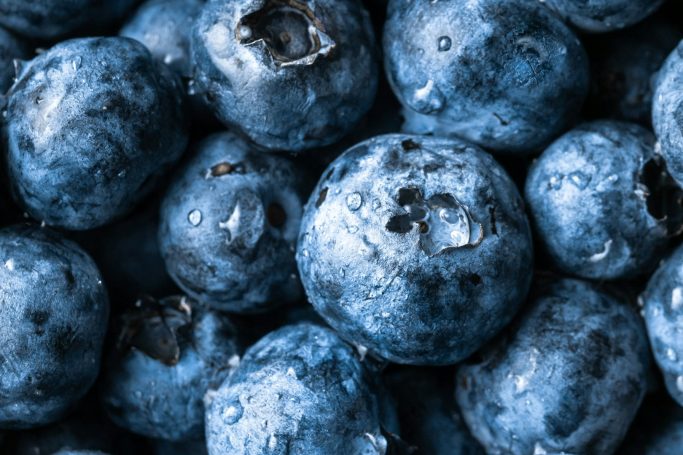
Blueberries 🫐
- Benefits: Packed with antioxidants, blueberries protect the brain from oxidative stress and may reduce the effects of age-related conditions.
- Science: Studies suggest that the antioxidants in blueberries help improve communication between brain cells.
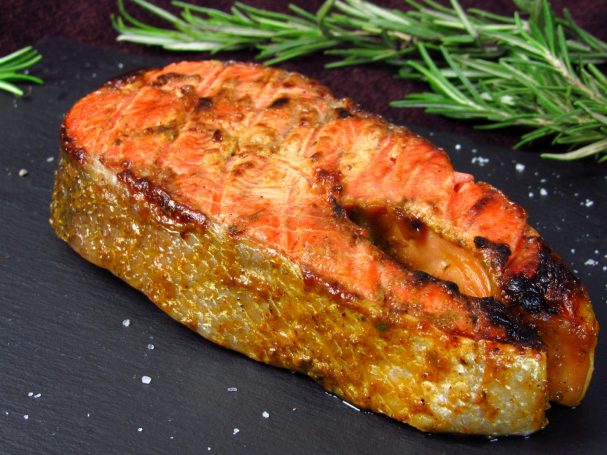
Fatty Fish 🐟
- Benefits: Rich in omega-3 fatty acids, fatty fish like salmon and trout support brain health and improve memory.
- Science: Omega-3s are essential for building brain and nerve cells, crucial for learning and memory.
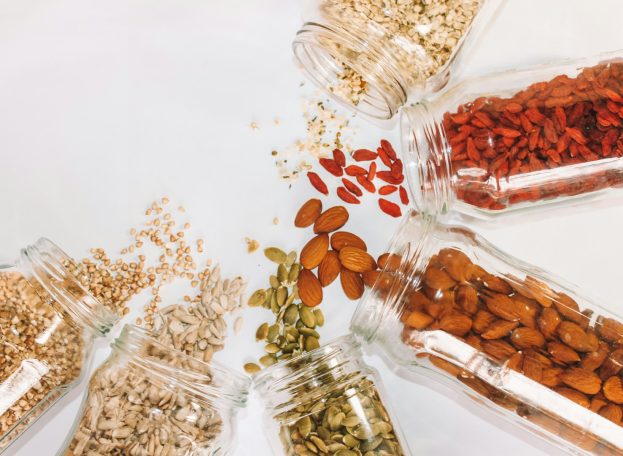
Nuts and Seeds 🌰
- Benefits: High in healthy fats, antioxidants, and vitamin E, nuts and seeds improve cognitive function and prevent cognitive decline.
- Science: Vitamin E protects cells from oxidative stress, which can slow down mental decline.
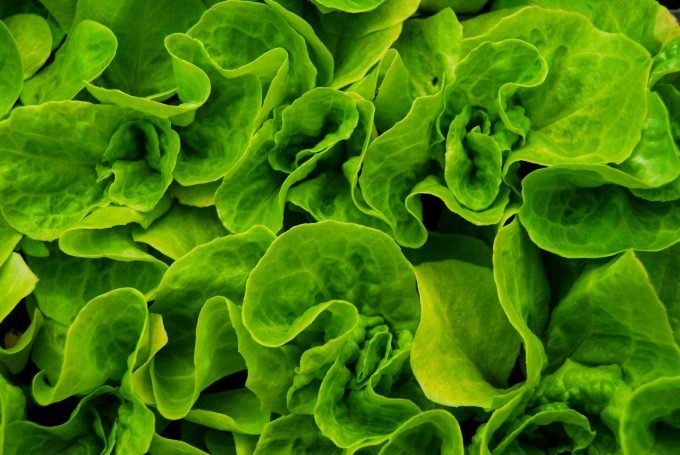
Leafy Greens 🥬
- Benefits: Vegetables like spinach and kale are rich in brain-healthy nutrients like vitamin K, lutein, and beta-carotene.
- Science: These nutrients have been linked to slower cognitive decline and improved memory.
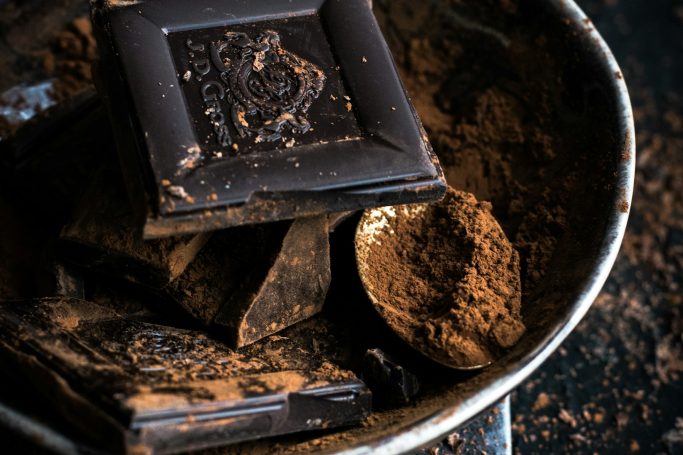
Dark Chocolate 🍫
- Benefits: Flavonoids in dark chocolate enhance memory and cognitive function.
- Science: Flavonoids encourage blood vessel growth in parts of the brain involved in memory and learning.
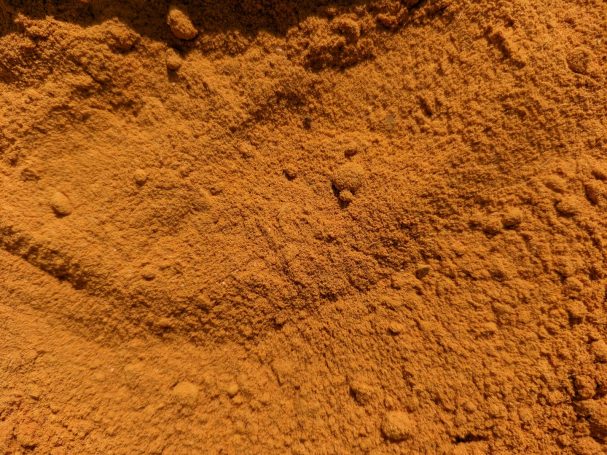
Turmeric 🌿
- Benefits: This spice contains curcumin, which crosses the blood-brain barrier and has anti-inflammatory and antioxidant benefits.
- Science: Curcumin boosts levels of the brain hormone BDNF, which increases the growth of new neurons.
The Science Behind Nutrition and Brain Health
The brain requires a constant supply of nutrients to function optimally. Antioxidants combat oxidative stress, omega-3 fatty acids support neuronal structure, and vitamins and minerals play various roles in cognitive processes. A balanced diet rich in these nutrients can lead to improved mood, sharper memory, and better cognitive function.
- Actionable Tips:
- Incorporate at least one brain-boosting food into each meal.
- Plan your meals ahead to ensure a variety of nutrients.
- Stay hydrated, as water is crucial for overall brain health.
Different perspectives emphasize the importance of a holistic approach to brain health, combining nutrition with physical activity and mental exercises for optimal results.
Recipes and Meal Ideas:
- Berry and Nut Breakfast Bowl: Combine blueberries, walnuts, and a sprinkle of flaxseeds over yogurt for a nutritious start.
- Grilled Salmon Salad: Top leafy greens with grilled salmon, avocado, and a dressing made of olive oil and lemon juice.
- Dark Chocolate and Almond Snack Bars: Make your own snack bars using dark chocolate, almonds, and seeds for a brain-boosting treat.
Berry and Nut Breakfast Bowl
Ingredients:
- 1 cup yogurt (preferably Greek yogurt for extra protein)
- 1/2 cup fresh blueberries
- 1/4 cup walnuts, chopped
- 1 tablespoon flaxseeds
- Honey or maple syrup (optional, for sweetness)
Instructions:
- Spoon the yogurt into a bowl.
- Top with blueberries, walnuts, and flaxseeds.
- Drizzle with a bit of honey or maple syrup if desired.
- Mix and enjoy a delicious, nutrient-packed breakfast!
Benefits:
- Blueberries provide antioxidants.
- Walnuts contain omega-3 fatty acids.
- Flaxseeds offer fiber and essential fatty acids.
Grilled Salmon Salad
Ingredients:
- 2 salmon fillets
- 4 cups mixed leafy greens (spinach, kale, arugula)
- 1 avocado, sliced
- 1/2 cup cherry tomatoes, halved
- Olive oil and lemon juice dressing (mix 2 tablespoons olive oil with 1 tablespoon lemon juice)
- Salt and pepper to taste
Instructions:
- Season the salmon fillets with salt and pepper.
- Grill the salmon on medium heat for about 4-5 minutes on each side or until cooked through.
- In a large bowl, combine the leafy greens, avocado, and cherry tomatoes.
- Top with the grilled salmon.
- Drizzle with the olive oil and lemon juice dressing.
- Toss gently and serve fresh.
Benefits:
- Salmon is rich in omega-3 fatty acids.
- Leafy greens provide essential vitamins and minerals.
- Avocado offers healthy fats and fiber.
Dark Chocolate and Almond Snack Bars
Ingredients:
- 1 cup dark chocolate chips (at least 70% cacao)
- 1 cup almonds, roughly chopped
- 1/4 cup pumpkin seeds
- 1/4 cup dried cranberries
- 1 tablespoon coconut oil
Instructions:
- Melt the dark chocolate chips and coconut oil in a microwave or double boiler.
- Stir in the almonds, pumpkin seeds, and cranberries.
- Pour the mixture into a lined or greased baking dish.
- Refrigerate for about 1 hour or until firm.
- Cut into bars and enjoy a brain-healthy snack.
Benefits:
- Dark chocolate contains flavonoids that support brain function.
- Almonds are high in vitamin E.
- Pumpkin seeds are rich in antioxidants and magnesium.
These meal ideas not only support cognitive
function but also make for delicious and satisfying dining experiences.
Pecan-Crusted
Chicken
Incorporating pecans into the breadcrumb mixture not only enhances the flavor but also boosts the brain health benefits of this recipe.
Ingredients
- 4 boneless skinless chicken breasts, 6 to 8 oz. each
- 1 1/2 teaspoons salt, divided
- 1 teaspoon lemon juice
- 1 1/2 cups plain yogurt
- 2 tablespoons Dijon mustard
- 2 cups pecans, finely chopped
- 1 cup bread crumbs
- olive oil for sautéing
Preparation
- Use a mallet to pound chicken breasts into a uniform 1/2 inch thickness. Cut each breast into 2 or 3 pieces for manageability.
- Combine lemon juice, yogurt, mustard, and 1/2 teaspoon salt in a bowl and set aside. Put chicken pieces in mixture and let sit for about 10 minutes.
- Combine pecans, crumbs, and 1 teaspoon salt in a bowl and set aside.
- Heat about 1 tablespoon olive oil in a sauté pan over medium high heat. Wipe excess yogurt off chicken and dredge in pecan mixture. When oil is hot, add chicken pieces to pan and cook about 3-4 minutes on each side until golden brown on the outside and cooked through. You may need to do it in batches, in which case you should wipe the pan out between batches and add a bit more oil.
Serve immediately.
Source: Brainhq.com
Kale Salad with Tart Cherries & Toasted Almonds
Recent studies suggest that the antioxidants found in tart cherries might help delay the onset of Alzheimer’s disease symptoms. This recipe also includes kale, a robust winter green celebrated as a superfood, along with brain-enhancing almonds and olive oil.
Ingredients
- 1/2 cup whole almonds, roughly chopped
- 8 oz. kale leaves
- 1/2 cup dried tart cherries
- 2 ounces crumbled goat cheese
- 3 Tablespoons extra virgin olive oil
- 1 1/2 Tablespoons apple cider vinegar
- 1 Tablespoon Dijon mustard (smooth or grainy)
- 2 teaspoons honey
- 1/2 teaspoon salt
- 1/2 teaspoon ground black pepper
Preparation
- Put almonds in a small saute pan and toast over medium low heat, about 5 minutes, until just starting to smell fragrant. Pour into bowl to cool.
- Prepare the kale by running your thumb and forefinger from the bottom of the stalk to the top to separate the leaves from the stalks. Discard stalks. Rinse leaves well and dry with towels. Roll leaves tightly and slice thinly to create ribbons.
- Put dried kale ribbons in serving bowl and top with toasted almonds, cherries, and crumbled goat cheese.
- Put olive oil, vinegar, mustard, honey, salt, and pepper in a small bowl and whisk well to combine. Pour over salad, toss, and let sit 10-15 minutes before serving.
Source: www.brainhq.com
Rainbow Grain Bowl with Cashew Sauce
This colorful bowl is brimming with nutrients designed to keep you satisfied for hours. Check the refrigerated section of the produce aisle for ready-to-eat lentils.
Why It’s Good for Brain Health:
- Lentils: These legumes are high in folate and iron, which are essential for cognitive function and reducing brain inflammation.
- Protein and Fiber: Together, they help stabilize blood sugar levels, providing a steady source of energy for the brain.
- Antioxidants: These help protect brain cells from oxidative stress, which can enhance mental clarity and memory.
Ingredients:
¾ cup unsalted cashews
½ cup water
¼ cup packed parsley leaves
1 tablespoon lemon juice or cider vinegar
1 tablespoon extra-virgin olive oil
½ teaspoon reduced-sodium tamari or soy sauce
¼ teaspoon salt
½ cup cooked lentils
½ cup cooked quinoa
½ cup shredded red cabbage
¼ cup grated raw beet
¼ cup chopped bell pepper
¼ cup grated carrot
¼ cup sliced cucumber
1 tablespoon Toasted chopped cashews for garnish
Step 1:
Blend cashews, water, parsley, lemon juice (or vinegar), oil, tamari (or soy sauce) and salt in a blender until smooth.
Step 2:
Place lentils and quinoa in the center of a shallow serving bowl. Top with cabbage, beet, pepper, carrot and cucumber. Spoon 2 tablespoons of the cashew sauce over the top (save extra sauce for another use). Garnish with cashews, if desired.
Source: www.eatingwell.com
Keep Your Brain Sharp with
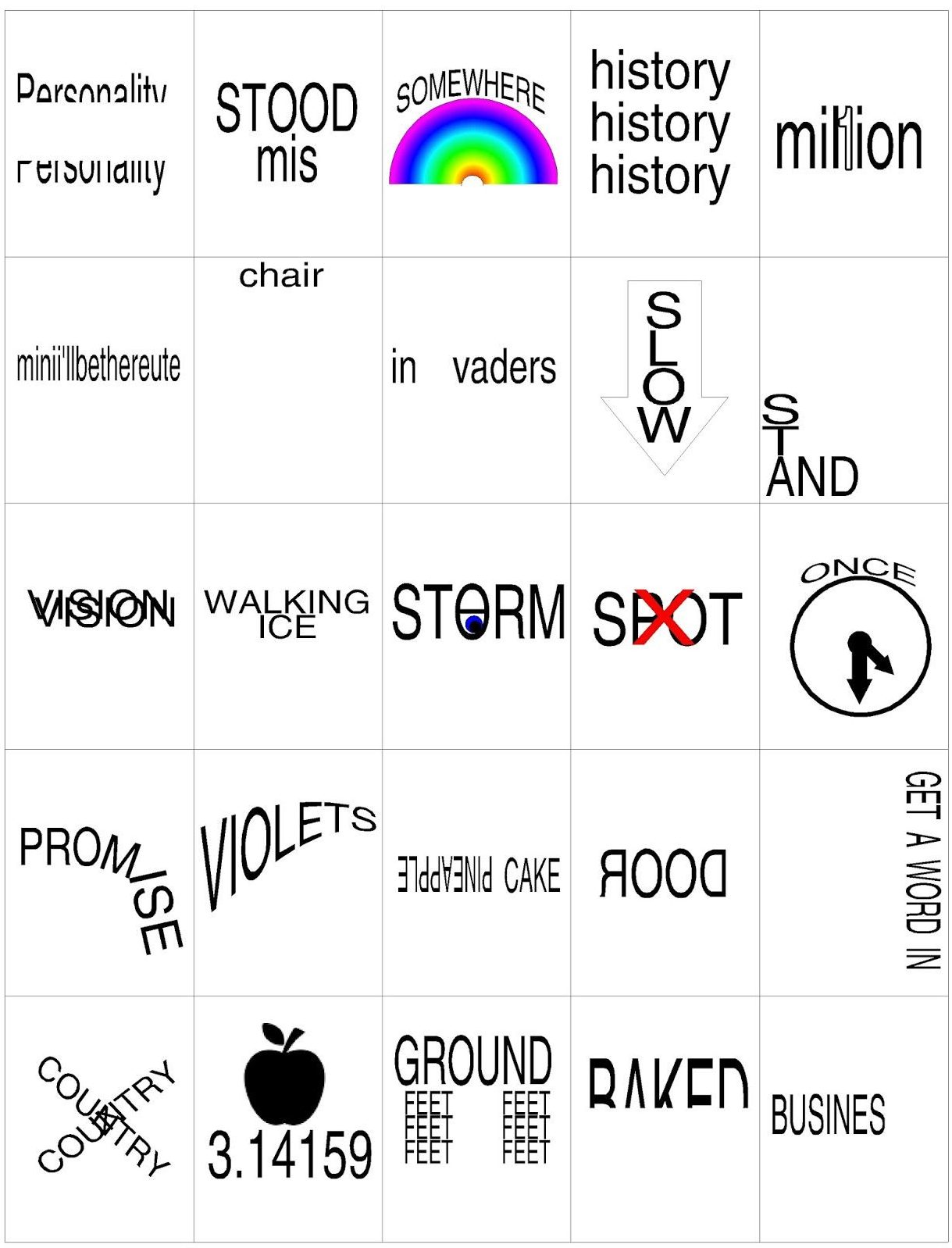
Rebus Puzzle #1
Rebus puzzles are a fantastic exercise for the brain, offering numerous cognitive benefits. By challenging you to decipher words or phrases from pictures and symbols, rebus puzzles stimulate different areas of the brain and enhance mental agility. Here’s how they contribute to brain health:
- Cognitive Flexibility: Solving rebus puzzles requires you to think creatively and interpret visual information in unconventional ways, boosting your ability to adapt and solve problems.
- Memory Enhancement: Engaging with these puzzles can improve both short-term and long-term memory by requiring recall and association of various concepts and images.
- Pattern Recognition: They help strengthen pattern recognition skills, which are crucial for tasks ranging from reading and math to everyday problem-solving.
- Attention to Detail: Rebus puzzles encourage you to pay close attention to visual and linguistic details, sharpening focus and concentration.
For those who enjoy a variety of perspectives, some enthusiasts highlight the social aspect of solving puzzles together, which can enhance collaborative thinking and communication skills. Others note the potential for rebus puzzles to serve as a stress-relieving activity, providing a mental break and boosting overall well-being.
Hints on How to Complete Rebus Puzzles:
Dive Into the Visuals 👀
Begin by carefully inspecting the pictures or symbols presented in the puzzle. These visual elements often contain crucial clues needed to solve the riddle. Ask yourself, “What do these images signify?” This method encourages a critical-thinking approach right from the start.
Deconstruct the Puzzle 🧩
Focus on analyzing each component of the riddle separately before piecing them together to arrive at a clear solution.
Consider the Context 📝
Reflect on the setting of the rebus puzzle. Think about how the words and images might fit into a broader sentence or narrative. Move beyond isolated elements to understand the complete context.
Spot the Prepositions 🔍
Uncover the hidden clues within rebus puzzles by paying attention to prepositions. These small words, which help define spatial relationships, play a crucial role in interpreting the puzzle’s meaning. Be vigilant about how words, numbers, or images are arranged within the rebus.
Click on button below to find the answers!
Spiced Carrot Soup
Beta carotene, responsible for the vibrant orange hue of carrots, acts as a potent antioxidant. Research indicates that having low levels of beta carotene (a type of vitamin A) is linked to decreased cognitive performance, while increasing its intake might help guard against cognitive decline as we age.
Ingredients
- 2 tablespoons olive oil
- 1 cup chopped yellow onion
- 1 pound large carrots, peeled, cut into 1/2-inch dice (about 2 2/3 cups)
- 2 1/2 cups chicken or vegetable broth
- 1 1/2 teaspoons ground cumin
- 1 teaspoon ground turmeric
- 1/2 teaspoon ground cinnamon
- 1 tablespoon honey
- 1 teaspoon lemon juice
- salt and pepper to taste
- 1/2 cup plain yogurt, stirred to loosen
Preparation
- Heat oil in large saucepan over medium-high heat. Add onion and sauté about 2 minutes, stirring. Mix in carrots. Saute a few more minutes to begin softening and browning a bit.
- Add broth, cumin, cinnamon, and turmeric. Bring to boil. Reduce heat, cover, and simmer until carrots are very tender, about 20 minutes.
- Remove from heat and puree in batches in blender until smooth. Return to pan and stir in honey and lemon juice. Season with salt and pepper to taste.
- Serve with a drizzle of yogurt.
Source: Brainhq.com
Spinach Dhal
Split peas and other legumes are abundant in folic acid, a nutrient known to enhance verbal skills and memory performance. This may also help in postponing the onset of Alzheimer’s disease. Additionally, spinach and garlic offer benefits for brain health.
Ingredients
- 1 cup yellow split peas or split moong dal, soaked overnight in water
- 1 whole hot pepper of your choice
- 3 cups fresh spinach leaves, washed and dried
- 2 tbsp vegetable or canola oil
- 1 tsp black mustard seeds (can substitute brown or yellow mustard seeds)
- 1 tsp cumin seeds
- 2 large cloves garlic, thinly sliced
- Salt to taste
Preparation
- Rinse soaked peas twice, drain, and add to a 4 or 5 quart pot. Add 5 cups water and the whole hot pepper and stir.
- Cover pot, place over high heat, and bring to a boil. Let peas cook until you have the consistency of a pea soup. Most of the peas should have dissolved; use the back of your spoon to mash.
- Once the desired consistency has been reached, add the spinach and season the peas with salt to taste. Cover and reduce heat to low.
- While the peas are simmering, heat oil in a small frying pan over medium heat. Toss in mustard seeds. When the mustard seeds begin to pop, add the cumin and cook for 30 seconds more. Add the garlic and cook until it just starts to color.
- Remove spice mixture from heat and pour the contents into the simmering dhal. Stir everything together and let it simmer for one minute more.
- Remove from heat and serve with rice, roti, or bread—or eat it as a soup.
Source: Brainhq.com